Understanding IPTV UK: What It Is and How It Works
In an era where digital streaming has become the norm, understanding the intricacies of IPTV UK is essential for staying current with television technology. IPTV, or Internet Protocol Television, allows users to stream live television and on-demand content over the internet instead of traditional satellite or cable services. With its rising popularity, it’s important to grasp how this technology functions, what benefits it offers, and how it differs from conventional broadcasting methods.
When exploring options, IPTV UK provides comprehensive insights into the landscape of British television streaming and the various providers available.
1. What is IPTV?
IPTV is a digital broadcasting technology that transmits television programming through internet protocol, rather than the traditional methods such as terrestrial, satellite, or cable formats. Essentially, it enables viewers to watch their favourite shows through a broadband internet connection. There are various types of IPTV services available, including live TV, time-shifted TV, and video-on-demand (VOD) content.
2. How Does IPTV UK Benefit Viewers?
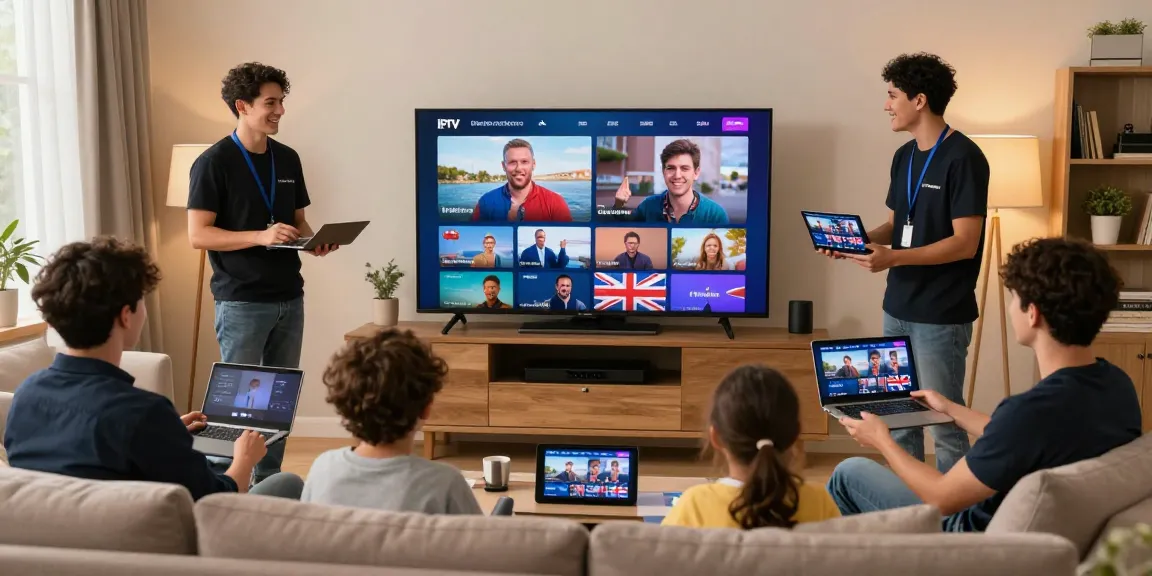
One of the key benefits of IPTV UK is its flexibility. Viewers can access a wide array of channels and content formats, catering to diverse preferences. Services typically offer HD picture quality, minimal buffering, and the freedom to watch content on multiple devices such as smart TVs, tablets, and smartphones. Furthermore, IPTV users enjoy the advantage of on-demand viewing, allowing them to catch up on missed programmes at their convenience.
3. Comparing IPTV UK with Traditional TV Services
Unlike traditional TV services, which impose geographical and scheduling limitations, IPTV offers a more modern solution by allowing viewers to watch content whenever they choose. Furthermore, IPTV services often provide a broader selection of channels, including international content, catering to a global audience. Moreover, the cost-effectiveness of IPTV services can often surpass that of cable and satellite providers, making them an appealing choice for budget-conscious consumers.
Choosing the Right IPTV UK Provider
With numerous IPTV providers available, selecting the right service can be daunting. Essential factors to consider include channel availability, streaming quality, and customer service. Always ensure that the provider you choose is licensed and compliant with local laws to avoid any legal implications and gain peace of mind.
1. Key Features to Look For
A reputable IPTV provider should offer reliable streaming quality, a user-friendly interface, and a range of subscription plans to suit different needs. Additional features such as a comprehensive on-demand library, parental controls, and the ability to record live TV can also enhance the viewing experience.
2. Customer Reviews and Ratings
It’s wise to scrutinise customer reviews and ratings before committing to an IPTV service. Platforms like Trustpilot or dedicated IPTV forums can provide honest insights from existing subscribers about the reliability and quality of the service. A provider with consistently positive feedback is likely to offer a more dependable experience.
3. Licensing and Compliance Considerations
Ensuring that your chosen IPTV provider is licensed prevents potential legal issues. Reputable services will have the proper agreements in place to provide the content they distribute, ensuring compliance with local laws and regulations relevant to broadcasting and copyright.
Pricing Guide for IPTV UK Services
Understanding the pricing landscape of IPTV services is vital for making an informed choice. Different providers offer various pricing structures that can influence your ultimate decision based on your needs and budget.
1. Cost Comparison of Subscription Plans
Most IPTV providers operate on a subscription model with monthly, quarterly, or yearly options available. Prices typically range from £10 to £50 per month, depending on the number of channels, the quality of streaming, and additional features such as an on-demand library. Always compare plans based on what type of content is included to find the best value for your requirements.
2. Hidden Fees and What to Watch Out For
Be cautious of hidden fees associated with some IPTV services; while the initial subscription may seem affordable, additional costs for premium channels, installation, or equipment rentals can increase your overall expenditure significantly.
3. Tips for Getting the Best Value
To maximise your investment in IPTV services, consider opting for an annual plan if you’re confident in the provider's reliability and content offerings. Additionally, some providers offer free trial periods that can be a helpful way to assess their services without a long-term commitment.
Setting Up Your IPTV UK Service: A Step-by-Step Guide
Setting up your IPTV service should be a straightforward process. Here’s a simple guide to help you get started.
1. Equipment Required for Smooth Streaming
To enjoy seamless viewing, you will need a high-speed internet connection with at least 5 Mbps for standard quality and 25 Mbps for HD content. Additionally, you may need a compatible device, such as a smart TV, set-top box, smartphone, or tablet.
2. Initial Setup Process Explained
The initial setup usually involves downloading the IPTV app on your device, entering your account credentials, and selecting your desired channels. Many providers offer user-friendly guides and customer support to assist you with the installation process.
3. Troubleshooting Common Issues
Common setup issues may include buffering or connectivity problems. First, check your internet speed and ensure your device is connected correctly. If problems persist, consult your IPTV provider’s support services for assistance with troubleshooting.
Future Trends in IPTV UK for 2026 & Beyond
With the rapid advancement of technology, the IPTV landscape is continually evolving, paving the way for innovative changes in how we consume television.
1. Innovations in Streaming Technology
The future will see further advancements in streaming technology, such as improved algorithms for data compression and more efficient streaming methods, allowing for higher quality at lower bandwidths.
2. Legal Considerations for IPTV Providers
As the IPTV market expands, regulatory frameworks will evolve, necessitating compliance from providers. Staying up-to-date on legal requirements will be critical for businesses in the industry as well as consumers choosing providers.
3. Growing Demand for Customizable Content Options
Today's viewers are increasingly demanding more tailored content experiences. Future IPTV services will likely implement advanced AI and ML technologies, allowing for a more personalised viewing experience that aligns better with individual preferences and viewing habits.
FAQs
1. Is IPTV UK legal?
Yes, IPTV UK is legal as long as the service provider has the necessary licenses to distribute the content they offer. Always ensure that you choose a compliant provider to avoid any legal issues.
2. What are the minimum internet speed requirements for IPTV?
The recommended minimum internet speed for standard-definition viewing is about 5 Mbps, while HD streaming usually necessitates at least 25 Mbps for an optimal experience.
3. Can I access IPTV UK services outside the UK?
Accessing IPTV services outside the UK might be subject to regional restrictions. However, many services provide solutions for international users, but it’s essential to verify this with your provider before subscribing.